
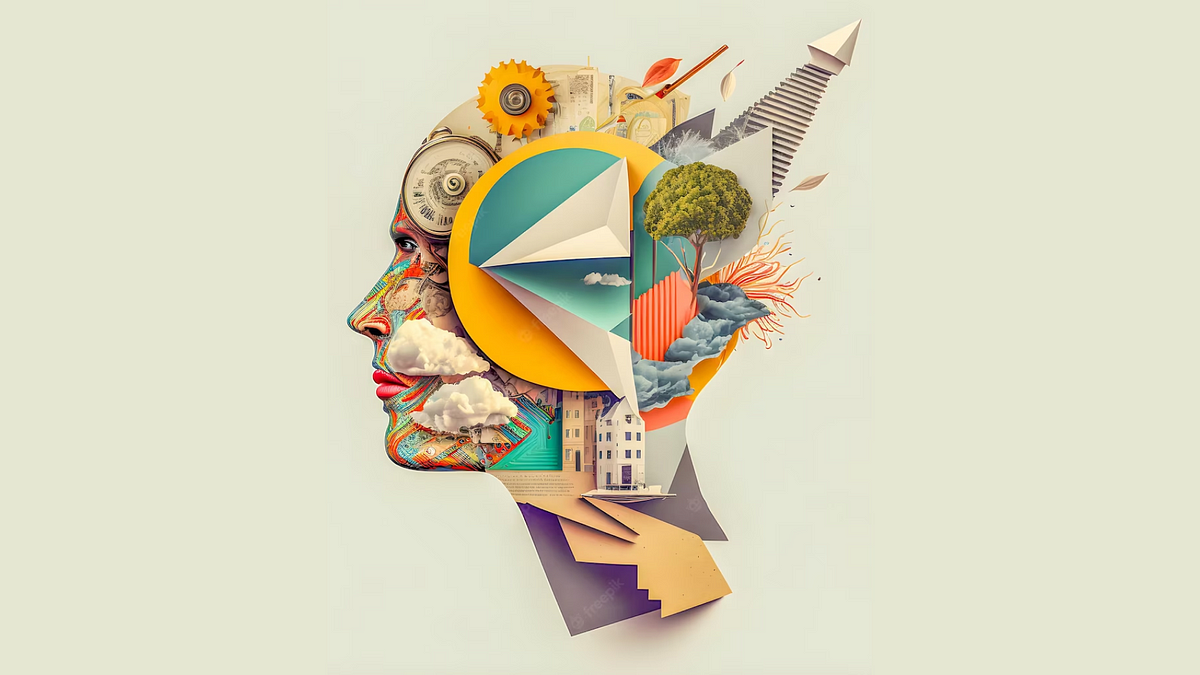
Imagine if the menu on your favourite app felt genuinely easy to use, almost like it anticipated your thoughts. Or if the website landing page, so intriguing that you keep on exploring its different pages endlessly. That visual impact created with the first glimpse on the home screen of app or website, connect, deeply some neuronal patterns in our brain, that makes us glued to that particular screen. That’s the power of neuro‑designing—a fascinating blend of brain science and design thinking.
As a neurosurgeon, I’ve witnessed firsthand how subtle stimuli can shift brain states—from fear and anxiety to calm and curiosity. Neuro‑designing applies these insights to shape user‑centered digital and physical interfaces that resonate with us at a deeply human level.
How Exactly Neuro-designing works, and why it is so important in today’s digital age? Lets break it down-
1. The Brain Loves Simplicity
Our working memory handles only a sliver of everyday data; overcrowded visuals create mental gridlock. Neuro-design thrives on breathing room—clean layouts, intuitive navigation, progressive disclosure.
Designers reduce cognitive load with whitespace, uncluttered interfaces, and predictable pathways.
Clinically, we see a similar pattern: simple operating room layouts reduce surgeon stress. The parallels between UX and OR ergonomics are stark!
2. Catching the Eye: Visual Hierarchy
The brain’s visual system can’t help but zero in on contrast, size, and position.
- Gestalt principles—like grouping, similarity, figure‑ground—help us build natural flows. Spotify’s consistent album-grid is a prime example.
- MRI imaging workstations do the same: slice the patient’s anatomy into digestible chunks.
In both digital and physical spaces, it’s about nudging attention to what matters.
3. Emotions & Memory: Color, Contrast, Connection
Neuroscience tells us that emotional resonance amplifies memory retention—our amygdala ( emotional centre) lights up when design feels meaningful.
- Emotional design uses color psychology—blue for trust, red for urgency—rounded shapes for warmth.
Storytelling also plays a role: hearing about a patient’s journey can build trust as powerfully as a surgical review.
4. Micro‑Rewards & the Dopamine Hook
Small surprises spark dopamine. A simple animation, a progress bar that moves fluidly—these trigger pleasure circuits.
- Gamification tools like Duolingo’s streaks thrive on this.
- In patient apps, celebrating a completed test or appointment turns routine tasks into motivating achievements.
5. Fitts’s & Hick’s Laws: Smooth Interactions
Ever noticed how close, prominent buttons feel easier to press?
- That’s Fitts’s Law in action—larger, closer targets are faster and easier.
- Hick’s Law reminds us that fewer choices speed decisions.
In OR interfaces, our most-used controls are deliberately sized and placed for quick access.
6. Mental Models & Cognitive Ergonomics
Users bring past experiences; they expect familiar icons, layouts, flows. Align with those models—don’t make users learn anew each time.
- This approach reflects cognitive ergonomics: fitting the system to the user’s thinking.
In medicine, that means doctors expect vital signs in a standard format—no surprises.
🤔 7. Ethical Neuro‑Design: Using for Good
The power of this toolkit can be misused—leading to dark patterns or addictive behaviors.
Neuro‑design in healthcare must prioritise trust, transparency, and patient autonomy—from clear consent flows to honest scheduling reminders.
Bringing It All Together: A Neuro‑Designed Clinic Experience
Picture walking into a clinic:
- Welcoming visuals—calm, earthy tones; warm shapes.
- Clear signage—large, grouped thoughtfully to guide without confusion.
- Simple digital check-in—a few well‑placed buttons, instant confirmation animation.
- Progress reminders— “You’re halfway through your visit!” with gentle positive feedback.
- Emotionally intelligent content—patient stories, reassuring language.
This isn’t tech for its own sake—it’s design rooted in how we think and feel.
A Final Thought from the OR
In the operating theatre, every tool, tone, and workflow is optimized for precision and wellbeing. Neuro‑design brings those same principles to everyday interfaces—digital and physical—so we breathe easier, choose wisely, and feel connected to what we do and who we are.
Design isn’t decoration. It’s neuroscience in action.
— Dr Arun Tungaria, Senior Neurosurgeon, NeuroMed Talks
Leave a Reply