
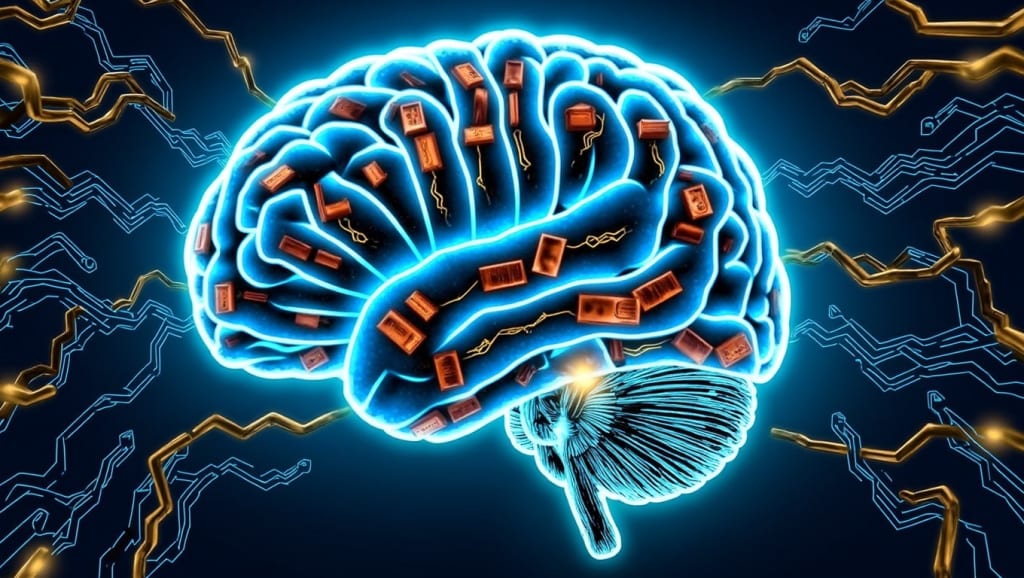
Neurosciences deal with the most complex organ of the human body – the brain. For decades, diagnosis and treatment in neurology and neurosurgery have relied on clinical judgment, imaging, and surgical skills. But now, with the rapid rise of Artificial Intelligence (AI), we are entering a new era where machines can complement human expertise in understanding and treating brain disorders.
What is AI in Neurosciences?
Artificial Intelligence refers to computer systems that can learn, analyze, and make decisions similar to the human brain. In neurosciences, AI is being used to:
- Analyze brain scans (MRI, CT, PET) with higher accuracy
- Predict outcomes of surgeries or treatments
- Assist in early diagnosis of diseases like Alzheimer’s, Parkinson’s, or stroke
- Support precision neurosurgery through navigation and robotics
Key Applications of AI in Neurosciences
- Medical Imaging and Diagnosis
AI can detect subtle changes in brain scans that even experienced eyes may miss. For example, early signs of tumors, microbleeds, or degenerative changes can be flagged by AI algorithms. - Predicting Neurological Diseases
With large datasets, AI can analyze risk factors and predict the likelihood of diseases such as epilepsy or dementia before clinical symptoms appear. - Robotics in Neurosurgery
AI-assisted robotic systems are being used for delicate brain and spine surgeries. They improve precision, reduce operative time, and minimize complications. - Brain-Computer Interfaces (BCI)
AI is the backbone of brain-machine communication, enabling paralyzed patients to move robotic arms or type on a computer using just their thoughts. - Personalized Treatment
AI can help design patient-specific treatment plans by studying genetic, imaging, and clinical data together – leading to precision medicine in neurology.
Benefits of AI in Neurosciences
- Faster and more accurate diagnosis
- Reduced human error in critical decision-making
- Enhanced surgical precision
- Improved patient outcomes with personalized care
- Potential for early intervention before major damage occurs
Challenges and Ethical Questions
While the promise of AI is exciting, it also brings challenges:
- Dependence on data quality and availability
- Concerns about patient privacy
- The need for human oversight – machines cannot replace doctors, only assist them
- Ethical dilemmas in decision-making (e.g., life support, end-of-life care)
My Perspective
As a neurosurgeon, I see AI not as a replacement for human expertise, but as a powerful partner. The surgeon’s experience, empathy, and judgment remain central. AI acts as an additional set of “eyes and brains” to support us – making neurosurgery safer, faster, and more accurate.
Conclusion
Artificial Intelligence is revolutionizing neurosciences. From early diagnosis to advanced robotic surgeries, it is transforming patient care. The future lies in collaboration – where human intelligence and artificial intelligence work hand in hand to unlock the mysteries of the brain and improve countless lives.
Leave a Reply