
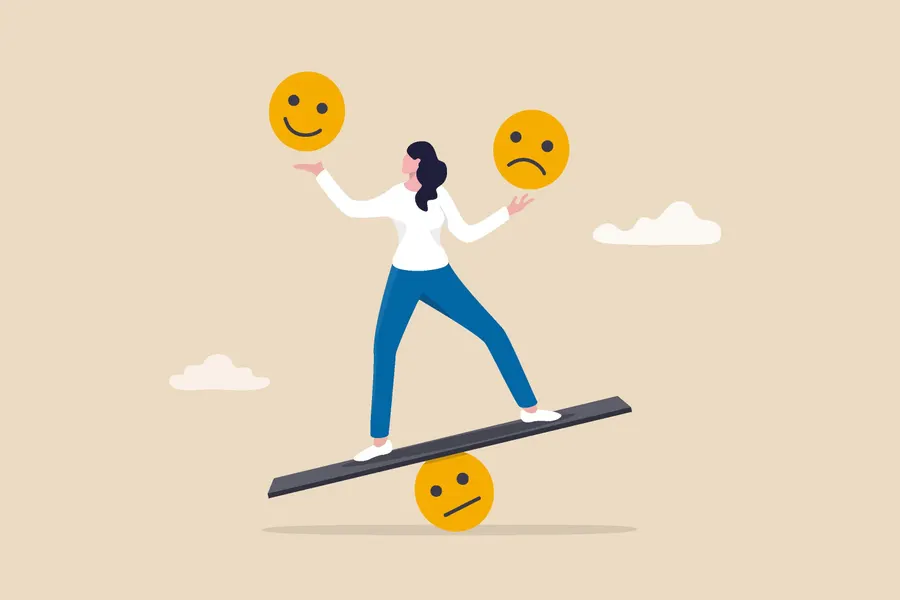
Introduction: When Emotions Take Control
We all have days when emotions get the better of us. Maybe you snapped at a colleague in anger, or you felt so anxious that you couldn’t sleep.
One of my patients once said: “Doctor, I know I shouldn’t overreact, but in that moment, I just lose control.” This is exactly what emotional regulation is about — the ability to manage your emotions instead of being managed by them.
Why Emotional Regulation Matters
- Prevents impulsive decisions
- Reduces stress and anxiety
- Strengthens relationships
- Improves resilience and self-confidence
Think of a leader you admire. Chances are, their calmness under pressure is one of the reasons they succeed. That’s emotional regulation in action.
Practical Techniques for Emotional Regulation
1. Pause Before Reacting
- When angry, take 3 deep breaths before responding.
- This small pause gives the brain time to choose a calmer response.
2. Name the Emotion
- Ask yourself: “Am I angry, sad, anxious, or just tired?”
- Naming emotions reduces their intensity.
3. Reframe Your Perspective
- Instead of “This is a disaster,” think, “This is a challenge I can learn from.”
- Changing the lens changes the feeling.
4. Healthy Emotional Outlets
- Write in a journal, play music, paint, or exercise.
- Suppressed emotions often return stronger — expression is healthier.
5. Build Your Support System
- Share feelings with friends, family, or a counselor.
- Humans are wired for connection — emotional support reduces stress hormones.
One of my patients dealing with grief recovered faster when he joined a support group, compared to when he tried to handle it alone.
Conclusion: Emotions Are Messengers, Not Enemies
Emotional regulation is not about suppressing feelings. It’s about listening to emotions, understanding them, and responding wisely.
Think of emotions as signals — they guide us, but we must decide how to act on them. With practice, anyone can learn this skill and transform both personal and professional life.
Leave a Reply