
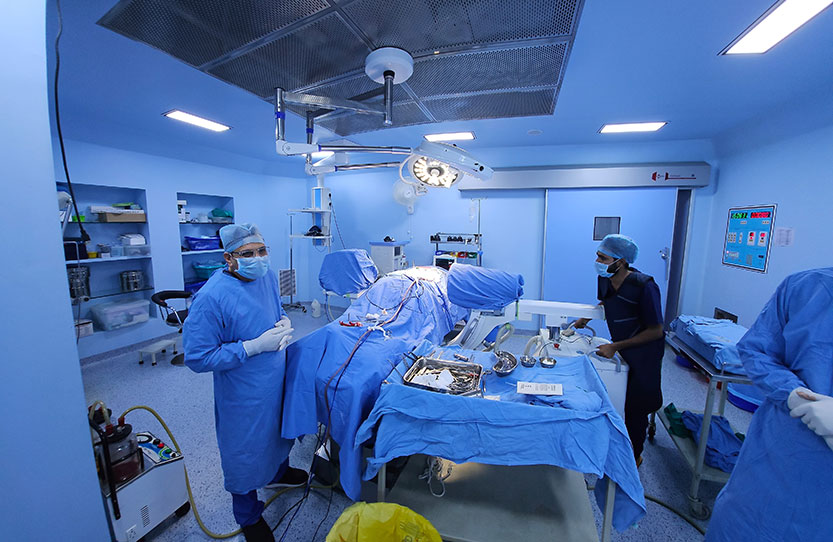
I always wanted to write blogs, as soon as I completed my degree in neurosurgery in year 2011. While writing research papers and articles in my residency time I realised that writing is the thing, which is I enjoy very much, and it satisfy me deeply. I found it so enriching that I wrote some of the research papers of my colleagues, which were supposed to be written by them. But, after starting my clinical practice and establishing myself as neurosurgeon along with family commitments, it got delayed and delayed. I kept on telling myself, I will start writing coming weekend, and that weekend never came.
Procrastination is a problem that does not spare anyone—whether you are a student, a professional, or even a surgeon. As a senior neurosurgeon with over 14 years of clinical experience, I have personally faced moments when difficult decisions and high-pressure tasks made me want to delay action. In this blog, I will share practical, science-backed strategies that I have personally used to overcome procrastination—both in the operating theatre and in everyday life.
The Neuroscience of Procrastination: Why Our Brain Resists Work
When we procrastinate, it’s not because we are lazy. It is brain’s working to seek comfort and avoiding stress.
It happens because of a natural conflict between two parts of the brain:
- The Limbic System: Seeks comfort and avoids stress. The emotional brain.
- The Prefrontal Cortex: Responsible for discipline, planning, and focus. The practical brain.
Sometimes it is about perfectionism. Planning to start a work when situation will be perfect and what we want to do, we will do it perfectly, this thought process invariably leads to procrastination.
As a brain surgeon, I have seen how critical the prefrontal cortex is not just for movement of our body parts and decision-making, but also for building habits and overcoming emotional resistance.
When we train our prefrontal cortex, we can win the battle against procrastination.
My 7 Proven Tips to Beat Procrastination
1. Start Small: Surgical Precision Works in Life Too
When our brain sees a big task it perceives it as a threat, so limbic system (emotional brain) tries to avoid it. So, just break the task into small steps just like in neurosurgery, where we break complex procedures into small, precise steps, you should break your big tasks into manageable chunks.
Example:
Writing a paper? Start with the title today. That is enough to build momentum.
2. Set Personal Deadlines (Surgical Timelines Save Lives)
In the operation theatre, there’s no option to delay. I carry that mindset to daily tasks by setting strict, self-imposed deadlines—even when there’s no external pressure. Time blocked list always better than random to-do list.
3. Use the ‘5-Minute Rule’: How I Start Difficult Cases
Many times, the biggest hurdle is simply starting. I tell myself: “I will work on this for just 5 minutes.”
Most of the time, I continue far beyond that.
4. Limit Distractions: Same Discipline as an OT (Operation Theatre)
When I am in surgery, all phones are off. I use the same rule for deep work outside the OT.
Tip: Keep your phone in another room. Try focus apps like Forest or Pomodoro timers.
5. Reward System: Even Surgeons Need a Break
After a challenging surgery or a tough writing session, I reward myself good movie, coffee, a walk, or a good book.
This conditions the brain to associate hard work with pleasure.
6. Visualize Success: See the Win Before You Begin
Visualization is powerful. Before every critical operation, I mentally visualize a successful outcome. The same method works for tasks you procrastinate on. Seeing your future self, successful, motivates you to work in a direction.
7. Take Care of Your Brain: Burnout is the Enemy
Fatigue can make even the most disciplined person procrastinate. I ensure proper rest, meditation, and regular walks to keep my mind sharp.
A Personal Note to You
If I can manage to fight procrastination while balancing long surgeries, consultations, and content creation for my YouTube Channel NeuroMed Talks, you can too.
The key is not perfection. The key is starting.
Let’s rewire our brains for action—one small step at a time.
If you found this post helpful, explore more productivity and brain health content on NeuroMedTalks and follow me for regular insights into how neuroscience can transform your life.
Stay disciplined. Stay unstoppable.
— Dr. Arun Tungaria, MS, MCh
Senior Neurosurgeon | Neuroscience Communicator | Founder, NeuroMed Talks
Leave a Reply