
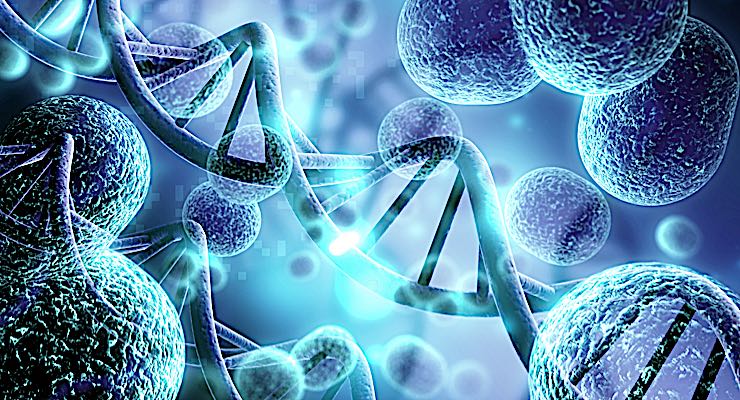
New Hope in Brain Disorders
For years, neurological disorders like Parkinson’s, Alzheimer’s, spinal cord injuries, and certain types of epilepsy have been heartbreaking not just for patients, but also for doctors like me. As presently, no permanent cure of these diseases available, we could slow them down, we could relieve some pain, but we cannot cure them. But, imagine if we could correct the very root of diseases — not just manage symptoms, but actually fix these diseases at its source.
Thanks to gene therapy and cell biology, we are standing at the doorstep of something revolutionary — a future where we can dream to heal the brain.
Where Are We Today?
Right now, gene therapy and cell-based treatments are no longer just “experimental.” Some real and promising work is already happening.
Gene Therapy: Editing the Brain’s Blueprint
Our genes are like a software program that runs our entire body. When something goes wrong in this code, diseases happen.
In neurological disorders like Parkinson’s disease, Epilepsy, certain genes may produce faulty proteins or may not work at all.
What can we do now?
- Scientists are using gene therapy to correct these errors by inserting, removing, or modifying genes inside our cells.
- Conditions like spinal muscular atrophy (SMA) have already shown good results with gene therapy.
- Clinical trials are going on for Parkinson’s disease, Alzheimer’s disease, and even some type of brain tumors.
Gene therapy today is like a baby learning to walk — but it’s walking, and that’s exciting.
Cell Biology: Replacing What’s Lost
The brain has billions of nerve cells (neurons). In diseases like Parkinson’s or after a stroke, these cells die and the body cannot naturally replace them.
Here’s where cell biology comes in:
- Scientists are working with stem cells — special cells that have capability to become new neurons.
- In some clinical trials, doctors have injected stem cells into the brain to help rebuild damaged areas.
The Future: A World of Possibilities
The real excitement is in what’s coming. In the next 10 years, gene therapy and cell-based treatments may not just treat neurological disorders — they may prevent them.
- Early Detection: We may be able to catch diseases before they even show symptoms using genetic markers.
- CRISPR Technology: This gene-editing tool could one day allow us to “cut and fix” faulty DNA in a precise and safe way, almost like using a smart eraser on a whiteboard.
- Personalized Gene Therapy: Imagine doctors mapping your unique genes and giving you tailor-made treatments.
- Stem Cell Banks: In the future, people might store their stem cells early in life to use later if needed for brain repair.
Making It Real for Patients
Right now, when I meet families struggling with Parkinson’s or children with genetic neurological diseases, I see hope in their eyes when we talk about these new advances. I always remind them:
- These treatments are still evolving.
- Safety and long-term effects are being carefully studied.
For many patients today, these options may soon become part of routine care.
Conclusion: A Time of Hope
We are entering a golden age where understanding our own biology is unlocking doors that were shut for centuries. Gene therapy and cell biology are not magic wands, but they are among the closest things we have to change the game for neurological disorders.
As a neurosurgeon, I feel fortunate to witness this turning point. And as a doctor, I look forward to the day when we can offer not just treatment, but cure.
Dr. Arun Tungaria, MS, MCh
Senior Neurosurgeon I Educator
Leave a Reply