
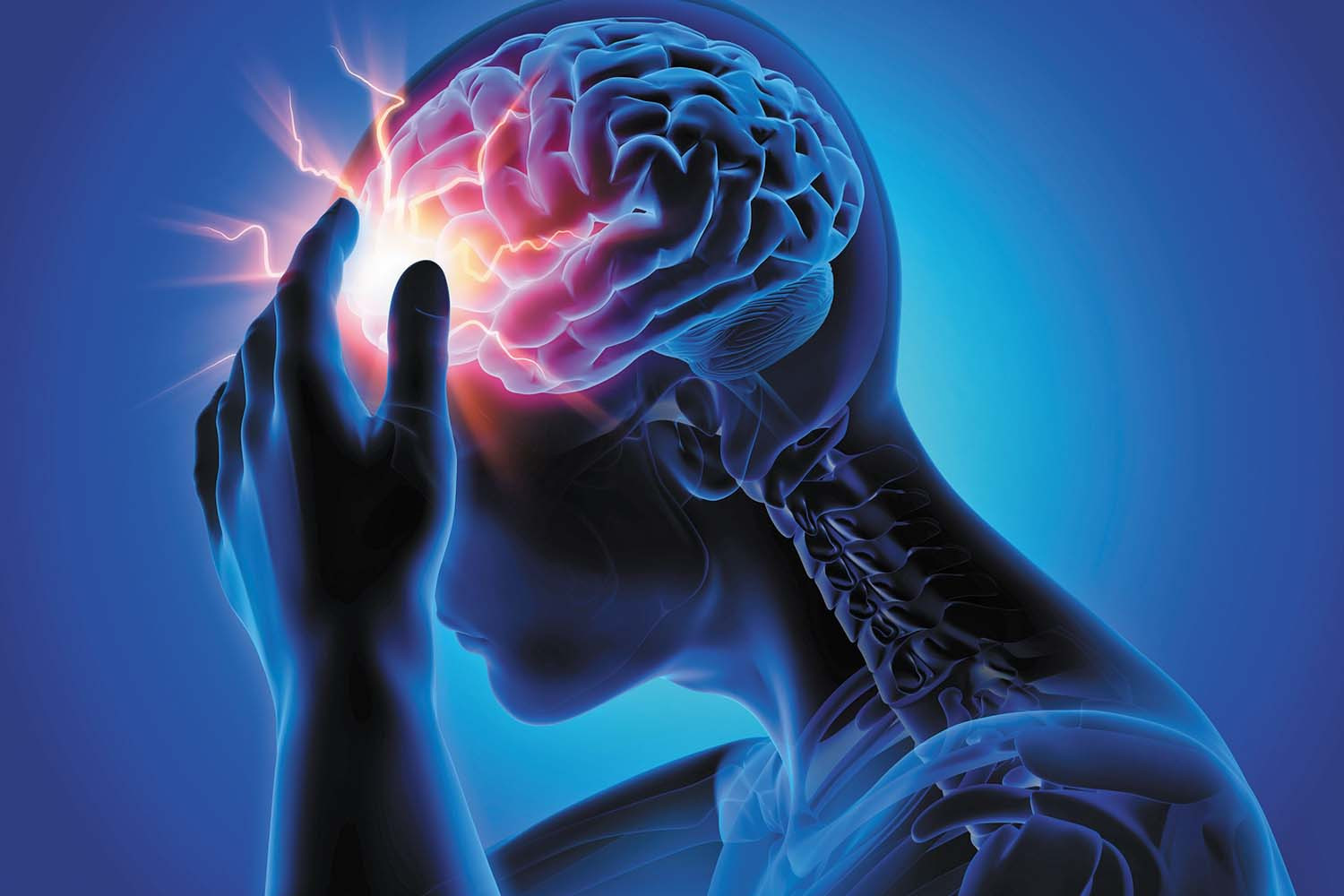
Ever since I started practicing neurosurgery in India, every day I have to refer 2–3 patients, on average, to a psychiatrist. Sometimes, to a neurologist. Very often, patients and their relatives come to me with their symptoms and have no idea which doctor to consult. They just come to me, knowing from someone that I am a doctor of the brain, and I would treat any symptoms related to the brain or head. And then, I must refer them to another doctor for proper treatment. A lot of time and energy is wasted in this process.
I am writing this blog to clear the confusion regarding which doctor should be seen if you have these common 7 symptoms related to the brain:
1. Headache
Headache is one of the most common complaints. Majority of my patients come with complaint of headache. But all headaches are not neurological.
- If your headache is frequent, severe, or associated with vomiting, visual changes, or weakness in any part of the body, you should see a neurologist or neurosurgeon. These symptoms indicate migraine as most common diagnosis.
- If it’s stress-related, tension-type, or linked with anxiety, then a psychiatrist or clinical psychologist may be more appropriate.
- For sinus or eye-related headaches, an ENT or eye specialist might be the right choice.
2. Neck Pain
Neck pain can arise from many causes — poor posture, cervical spine issues, or neurological problems. Important to differentiate occipital headache and pain in cervical spine as both require different approach.
- If there’s pain radiating to arms, numbness, or weakness, consult a neurosurgeon or neurologist.
3. Anxiety
Anxiety is a mental health condition, not a brain disease in the structural sense.
- For persistent worry, panic attacks, restlessness, or sleep issues, you should see a psychiatrist.
- Therapy from a clinical psychologist can also be effective.
4. Delayed Milestones in Infants
If a child is not speaking, walking, or showing age-appropriate behaviors, parents often panic.
- You should consult a pediatric neurologist or a developmental pediatrician.
Early intervention through speech therapy, occupational therapy, and sometimes medical treatment can make a big difference.
5. Memory Loss
Memory loss is a warning sign. Commonly people confuse it with dementia. Dementia is decline in all cognitive functions, including memory. Generally , exclusive memory loss is not indicative of something serious neuro problem. It can be due to aging, multiple infarction or other brain conditions.
- Sudden or progressive memory loss should prompt a visit to a neurologist or neurosurgeon.
6. Seizures (Fits)/ Epilepsy
Seizures are directly linked to abnormal brain activity resulting in abnormal repetitive movements with or without loss of consciousness. Epilepsy is term used for neurological condition that has tendency to have seizures.
- Always consult a neurologist first. If imaging shows a structural brain problem (like a tumor or scar), then a neurosurgeon may be needed.
7. Vertigo (Giddiness/ Dizziness)
This one symptom, is reported by patients for completely different problems. True vertigo is spinning sensation of self or surroundings. Commonly patients report brief loss of consciousness, imbalance and transient visual blurring as vertigo. It must be clear what exact symptom we are dealing.
- If it’s spinning-type giddiness with nausea or hearing loss, consult an ENT specialist.
- If it’s associated with imbalance, double vision, or weakness, then it could be from the brain — see a neurologist or neurosurgeon.
Final Words
If you or your loved ones experience any of these symptoms, don’t delay seeking help — but also try to approach the right specialist from the beginning.
I hope this blog helps you understand which symptoms are brain-related and which doctor to consult in each situation. Early diagnosis and the right treatment can prevent complications and save valuable time.
Feel free to share this with someone who might be confused about whom to consult.
Stay aware. Stay healthy.
Leave a Reply